

Lunch meetings blend business with the casual setting of a meal, offering a unique opportunity to build relationships and discuss ideas. Whether you’re sealing a deal or catching up with colleagues, a well-executed lunch meeting can leave a lasting impression. At Buzzy Moment, we explore strategies to make these gatherings productive and enjoyable. Mastering this art requires careful planning, impeccable etiquette, and smart timing. This article dives into the essentials of hosting a successful lunch meeting, ensuring you make the most of every moment.
What Makes a Lunch Meeting Special?
A lunch meeting combines the professionalism of a boardroom with the relaxed atmosphere of a dining table. It allows participants to connect on a personal level while addressing business matters. Unlike formal office meetings, the casual setting encourages open dialogue and creativity. However, this informality demands a balance to maintain focus and achieve goals. To understand when and why to schedule one, check out Buzzy Moment’s guide on lunch meetings. Knowing the purpose and setting the tone early ensures everyone is aligned.
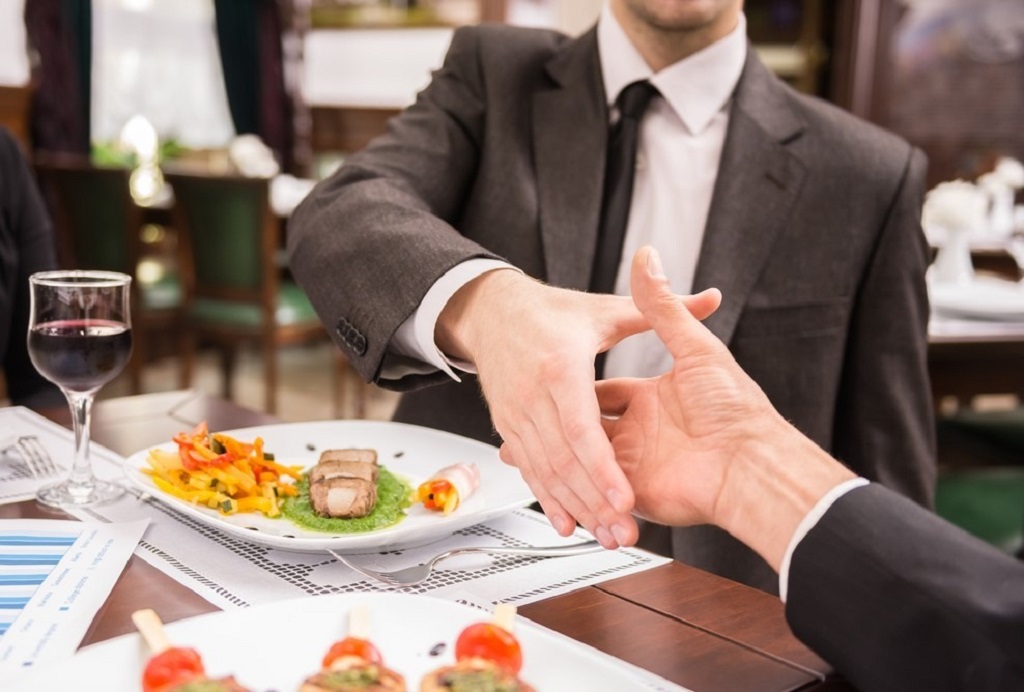
Why Timing Matters
Timing is critical for a successful lunch meeting. Choosing the right time impacts attendance, focus, and productivity. Here are key factors to consider:
- Midday Slots Work Best: Schedule between 12:00 PM and 2:00 PM to align with typical lunch hours. This avoids conflicts with morning or late afternoon commitments.
- Consider Attendees’ Schedules: Check for time zone differences or busy periods. For example, avoid scheduling during peak project deadlines.
- Keep It Short: Aim for 60 to 90 minutes. This respects everyone’s time while allowing meaningful discussion without rushing.
- Day of the Week: Midweek days like Tuesday or Wednesday are ideal. Mondays are often hectic, and Fridays may feel too casual.
Timing sets the stage for a focused and productive meeting. Plan ahead to ensure attendees are available and engaged.
Choosing the Perfect Venue
The venue shapes the lunch meeting’s atmosphere. A well-chosen location enhances comfort and keeps distractions to a minimum. Consider these tips:
- Accessibility: Pick a restaurant centrally located or easy to reach for all attendees. Ensure it has parking or public transport options.
- Ambiance: Opt for a quiet setting with minimal background noise. This allows for clear conversation without shouting.
- Cuisine Variety: Select a place with diverse menu options to accommodate dietary preferences, such as vegetarian or gluten-free choices.
- Reservations: Book a table in advance to avoid wait times. Request a private or semi-private area for sensitive discussions.
A thoughtfully chosen venue sets a professional yet welcoming tone, making attendees feel valued.
Mastering Lunch Meeting Etiquette
Etiquette is the backbone of a successful lunch meeting. Proper manners show respect and keep the focus on business. Follow these guidelines:
- Arrive Early: Be at the venue 10 minutes early to greet attendees and handle any last-minute arrangements.
- Mind Table Manners: Chew quietly, avoid talking with food in your mouth, and use utensils appropriately. These basics signal professionalism.
- Stay Focused: Avoid checking your phone or engaging in side conversations. Keep the discussion on track.
- Handle the Bill Gracefully: Clarify who’s paying beforehand. If you’re hosting, discreetly settle the bill to avoid awkwardness.
Good etiquette creates a positive impression and ensures the meeting runs smoothly.
Structuring the Lunch Meeting
A clear structure keeps the lunch meeting productive. Without a plan, discussions can wander, wasting time. Here’s how to organize it:
- Start with Small Talk: Spend the first 5-10 minutes on casual conversation to build rapport. Ask about recent projects or interests.
- Set the Agenda: Briefly outline the meeting’s purpose and goals. This keeps everyone aligned.
- Balance Business and Dining: Discuss key points while eating, but avoid heavy topics during the first few bites. Let attendees settle in.
- Wrap Up Clearly: Summarize decisions, action items, and next steps before dessert or coffee arrives.
A structured approach ensures you cover all objectives while maintaining a relaxed vibe.
Tips for Engaging Attendees
Engaging attendees during a lunch meeting requires finesse. You want everyone to feel involved without forcing participation. Try these strategies:
- Ask Open-Ended Questions: Encourage discussion with questions like, “What’s your take on this strategy?” This sparks ideas.
- Listen Actively: Nod, maintain eye contact, and respond to comments. This shows you value input.
- Involve Everyone: Draw in quieter attendees by asking for their thoughts directly. Avoid letting one person dominate.
- Use Visual Aids Sparingly: If you need to share data, use a tablet or printed handouts. Avoid complex presentations that disrupt the meal.
Keeping attendees engaged fosters collaboration and ensures the meeting achieves its goals.
Handling Common Challenges
Lunch meetings can face hiccups, from distractions to dietary issues. Anticipating challenges helps you stay prepared. Here’s how to address common problems:
- Distractions: If the restaurant gets noisy, politely ask the server for a quieter table or adjust your seating.
- Dietary Restrictions: Confirm attendees’ preferences in advance. Share the menu ahead of time to avoid surprises.
- Time Overruns: Stick to the agenda and gently steer conversations back on track if they veer off.
- Unproductive Discussions: If the meeting stalls, summarize key points and propose actionable next steps.
Proactively managing challenges keeps the lunch meeting professional and effective.
Leveraging Lunch Meetings for Networking
Lunch meetings are a powerful networking tool. They offer a chance to strengthen relationships in a low-pressure setting. To maximize networking potential:
- Invite Key Stakeholders: Include decision-makers or influencers to build trust and open future opportunities.
- Follow Up Promptly: Send a thank-you email within 24 hours, referencing specific discussion points. This reinforces connections.
- Personalize the Experience: Remember attendees’ preferences, like favorite cuisines, for future meetings. Small gestures leave a big impact.
Networking through lunch meetings can lead to lasting professional relationships and new opportunities.
Conclusion
Mastering the art of the lunch meeting requires careful planning, impeccable etiquette, and strategic timing. By choosing the right venue, structuring the discussion, and engaging attendees, you can turn a simple meal into a productive business opportunity. Additionally, handling challenges and leveraging these meetings for networking strengthens professional bonds. With these tips, your next lunch meeting will be both effective and enjoyable, leaving a positive impression on all participants.
Read More Also: 5 ways to have a more sustainable kitchen
Frequently Asked Questions
What’s the ideal duration for a lunch meeting?
A lunch meeting should last 60 to 90 minutes. This allows enough time for discussion and dining without overstaying.
How do I choose a restaurant for a lunch meeting?
Select a centrally located venue with a quiet ambiance, diverse menu, and easy access. Always make a reservation.
Who should pay for a lunch meeting?
The host typically covers the bill. Clarify this in advance and settle it discreetly to avoid awkwardness.
How can I keep a lunch meeting on track?
Set a clear agenda, summarize goals upfront, and gently steer conversations back to the topic if they drift.
Are lunch meetings appropriate for sensitive topics?
Yes, but choose a private or semi-private setting and ensure the tone remains professional to maintain focus.
