

Real estate flipping can be one of the most exciting ways to build wealth. You buy a property, improve it, and sell it for a profit. However, jumping in without preparation is a common mistake that costs beginners a lot of money. Therefore, this guide will walk you through everything you need to know before you make your first move.
What Is Real Estate Flipping?
Real estate flipping means buying a property at a low price, renovating it, and selling it at a higher price within a short period. The goal is simple: buy low, sell high. Additionally, the profit you earn comes from the difference between your total costs and the final sale price.
Many beginners think flipping is easy because of what they see on television. In reality, it takes research, planning, and smart decision-making. However, with the right approach, it is absolutely possible to make a solid profit even on your first deal.
Why Real Estate Flipping Can Be a Smart Investment
Flipping properties offers several advantages over other types of investments. First, it can generate significant profits in a short time. Second, it gives you direct control over your investment. Unlike stocks, you decide what to buy, how to improve it, and when to sell.
Additionally, real estate tends to hold its value better than many other assets. Therefore, even if the market slows down, a well-chosen property can still protect your capital. For beginners, this makes property investment a relatively stable entry point into the world of investing.
Step 1: Learn the Market Before You Spend a Dollar
Before buying anything, you need to understand the local real estate market. Study neighborhoods where properties are selling quickly. Look at average sale prices, days on market, and buyer demand. This research will help you identify areas where flipping is most likely to succeed.
You should also study recent sales of similar homes, often called “comparables” or “comps.” These numbers tell you what buyers are willing to pay. Therefore, you can work backward to figure out how much you can afford to spend on a property and still make a profit.
Step 2: Set a Realistic Budget
Money management is one of the most critical skills in real estate flipping. Many beginners underestimate renovation costs and overestimate sale prices. This is one of the fastest ways to lose money on a flip.
A useful rule to follow is the 70% rule. This means you should not pay more than 70% of the after-repair value (ARV) of a property, minus the cost of repairs. For example, if a home will be worth $200,000 after repairs and renovations will cost $30,000, you should pay no more than $110,000 for the property.
Additionally, always set aside a contingency budget of 10 to 20 percent for unexpected costs. Old homes often hide problems like plumbing issues, mold, or faulty wiring. Therefore, planning for surprises will protect your profits.
Step 3: Secure Your Financing
Most beginners do not have enough cash to buy and renovate a property outright. Fortunately, there are several financing options available. Traditional bank loans, hard money loans, and private lenders are all common choices for property investors.
Hard money loans are especially popular for flipping because they are faster to obtain. However, they usually come with higher interest rates. Therefore, you need to flip the property quickly to avoid paying too much in interest over time.
Additionally, some investors partner with others who provide funding in exchange for a share of the profits. This can be a great way to get started without needing a large amount of personal capital.
Step 4: Find the Right Property
Not every cheap property is a good flip opportunity. You need to find a home that is undervalued because of cosmetic issues, not structural problems. Cosmetic fixes like new paint, updated flooring, and modern fixtures are affordable and add significant value. Structural issues like foundation problems or major roof damage can quickly eat up your budget.
Look for properties in good neighborhoods with strong buyer demand. A dated but structurally sound home in a popular area is often the ideal flip candidate. Additionally, foreclosures, estate sales, and distressed properties can offer good buying opportunities if you approach them carefully.
Step 5: Build a Reliable Team
You cannot flip a property alone. You need a team of skilled professionals to help you succeed. This typically includes a real estate agent, a contractor, an inspector, and an accountant.
Your contractor is especially important. A reliable, experienced contractor will complete renovations on time and within budget. Therefore, take time to get multiple quotes and check references before hiring anyone. A bad contractor can turn a profitable flip into a financial disaster.
Additionally, a good real estate agent will help you find properties at the right price and sell your finished flip quickly. Choose someone with local market knowledge and a proven track record with investment properties.
Step 6: Manage Your Renovation Wisely
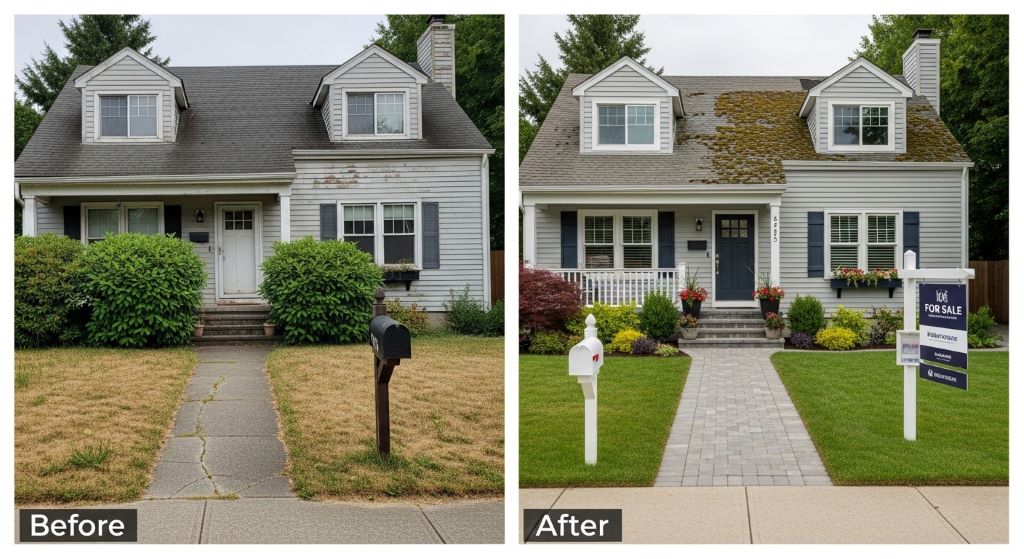
Once you own the property, every day you hold it costs you money. Mortgage payments, insurance, and utilities all add up quickly. Therefore, speed and efficiency during the renovation phase are essential.
Focus on improvements that add the most value. Kitchens and bathrooms typically offer the highest return on investment. Fresh paint, new flooring, and updated lighting also make a big impact without breaking the budget.
However, avoid over-improving the property. Adding luxury finishes to a modest neighborhood will not increase the sale price as much as you might expect. Therefore, always match your renovation to what buyers in that area actually want and expect.
Step 7: Sell Smart and Price Correctly
Pricing your finished property correctly is just as important as buying it at the right price. If you price too high, the home will sit on the market and your holding costs will rise. If you price too low, you leave money on the table.
Work with your real estate agent to review current comps and set a competitive price. Additionally, consider the time of year. Spring and early summer are traditionally the strongest seasons for home sales. Therefore, timing your listing strategically can help you sell faster and at a better price.
Common Mistakes Beginners Should Avoid
Starting out in real estate flipping comes with a learning curve. However, being aware of common pitfalls can help you avoid costly errors. Here are some of the most frequent mistakes new investors make:
- Underestimating renovation costs
- Overestimating the after-repair value
- Choosing the wrong neighborhood
- Failing to do a thorough property inspection
- Hiring unreliable contractors
- Holding the property too long due to poor planning
Additionally, many beginners let emotions drive their decisions. Remember that a flip is a business transaction, not a personal home. Therefore, always let the numbers guide your choices.
Conclusion
Real estate flipping offers a genuine path to financial growth for those who approach it with care and preparation. You must understand the market, set a solid budget, secure the right financing, and build a trustworthy team. Additionally, smart renovation choices and accurate pricing will help you close deals profitably.
The process is not without risk, but with thorough research and disciplined decision-making, beginners can find real success. Therefore, start small, learn from each deal, and gradually build your skills and portfolio. Every successful investor started exactly where you are now.
Frequently Asked Questions
How much money do I need to start real estate flipping?
The amount varies widely depending on the market and property type. However, most beginners need at least $20,000 to $30,000 as a starting point, especially if they plan to use financing for the purchase and cover renovation costs out of pocket.
How long does it take to flip a house?
A typical flip takes between three and six months from purchase to sale. However, larger projects or unexpected problems can extend the timeline. Therefore, always plan for extra time when setting your budget and schedule.
Do I need a real estate license to flip houses?
No, you do not need a license to flip houses as an investor. However, having a licensed real estate agent on your team is very helpful for finding deals and managing the sale.
What is the biggest risk in real estate flipping?
The biggest risk is underestimating renovation costs or overestimating the sale price. Additionally, holding a property too long due to delays can significantly reduce your profit margin.
Can I flip houses with no experience?
Yes, but it requires extra caution and a strong support team. Start with a simple project in a familiar neighborhood, work with experienced professionals, and research thoroughly before buying your first property.
Related Topics:
How to Find Out Who Owns a Property: A Comprehensive Guide
The New Foundation: How Data Centers Became Prime Real Estate Gold
