
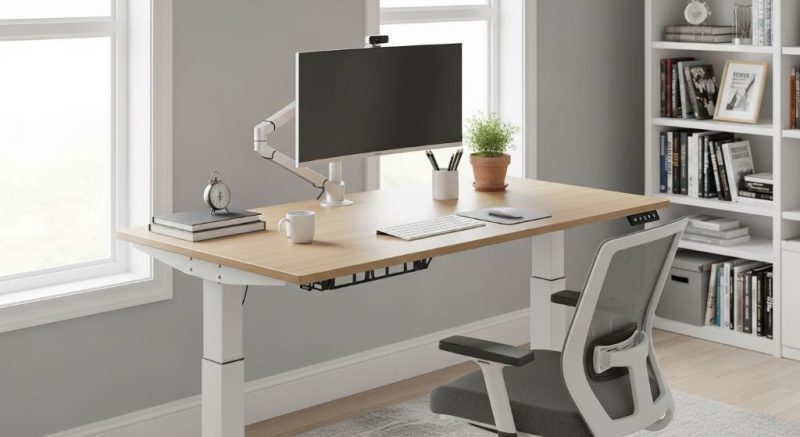
Standing desks have transformed from luxury office equipment into essential workspace tools for health-conscious professionals. The ability to switch between sitting and standing throughout your workday reduces back pain, improves circulation, and boosts energy levels. However, the price tags on premium models often discourage budget-minded buyers from making the investment.
Finding a motorized desk cheap enough to fit your budget while still delivering quality and reliability is entirely possible in 2026. The market has evolved significantly, with more manufacturers offering affordable electric desk options that don’t sacrifice essential features. Understanding what to look for and where to compromise helps you make a smart purchase that serves you well for years.
This guide will show you how to navigate the standing desk market without breaking the bank. You’ll learn which features truly matter, how to spot quality construction at lower price points, and strategies for finding the best deals. By the end, you’ll have the knowledge to confidently purchase a standing desk that fits both your workspace and your wallet.
Understanding What Makes Standing Desks Expensive
Before hunting for bargains, it’s helpful to understand why some standing desks cost significantly more than others. This knowledge helps you identify which premium features you can live without and which elements are worth the investment.
Brand reputation often inflates prices considerably. Established manufacturers charge premiums for their names, even when newer companies offer comparable quality. Marketing budgets, retail partnerships, and extended warranties all contribute to higher costs that don’t necessarily reflect better performance.
Motor quality varies dramatically across price ranges. Premium desks use powerful, whisper-quiet motors with advanced control systems. Budget options often feature adequate motors that work well but may be slightly louder or slower. For most users, these differences are negligible during actual use.
Desktop materials account for substantial price variations. Solid hardwood tops cost far more than laminate or engineered wood surfaces. However, laminate desktops have improved remarkably in appearance and durability, making them excellent budget choices.
Additional features like programmable height presets, collision detection, and cable management systems drive up costs. While convenient, these extras aren’t essential for basic sit-stand functionality. Determining which features you’ll actually use helps you avoid paying for unnecessary bells and whistles.
Setting Realistic Budget Expectations
Understanding current market prices helps you set realistic goals and recognize genuine value when you find it. The standing desk market in 2026 offers options across a wide price spectrum.
Basic electric standing desks now start around two hundred to three hundred dollars for simple frames with minimal features. These entry-level options provide core functionality without premium materials or advanced controls. They work well for light to moderate use in home offices.
Mid-range models typically cost between four hundred and six hundred dollars. These desks often include better motors, larger weight capacities, and improved build quality. Many affordable electric desk options in this range offer excellent value for daily use.
Premium desks exceed eight hundred dollars and can cost over two thousand for top-tier models. These investments make sense for heavy-duty commercial use or those who prioritize specific features. However, most home office users don’t need this level of performance.
Therefore, aiming for the three hundred to five hundred dollar range typically provides the best balance of quality and affordability. This sweet spot offers reliable performance without paying for unnecessary premium features.
Essential Features Worth Paying For
Not all standing desk features carry equal importance. Focusing your budget on crucial elements ensures you get a desk that performs well and lasts.
Weight capacity directly impacts stability and longevity. Look for desks rated to hold at least 150 pounds, even if your actual setup weighs less. Higher capacity frames use stronger materials and construction methods that improve overall durability.
Height range determines whether the desk will actually fit your body properly. Ensure the lowest position allows your elbows to rest at 90 degrees while typing when seated. The highest position should let you maintain the same elbow angle while standing. Most desks accommodate users between 5’2″ and 6’2″, but verify specifications if you’re outside this range.
Stability at full height matters more than many buyers realize. Cheaper desks sometimes wobble significantly when raised to maximum height, making typing uncomfortable. Reading reviews specifically mentioning stability helps you avoid frustrating purchases.
Desktop size must accommodate your equipment comfortably. Measure your current workspace needs before shopping. Common sizes range from 48 to 60 inches wide, with depths between 24 and 30 inches. Smaller desks cost less but can feel cramped.
Features You Can Compromise On
Identifying non-essential features allows you to redirect budget toward what matters most. Many premium features add convenience rather than core functionality.
Memory presets let you save favorite heights for one-touch adjustment. While convenient, manually adjusting your desk takes only seconds. Saving fifty to one hundred dollars by skipping this feature makes sense for budget-conscious buyers.
Advanced control panels with digital displays cost more than simple up-down buttons. Basic controls work perfectly well once you find your preferred heights. Additionally, simpler controls mean fewer electronic components that could eventually fail.
Cable management systems built into desk frames add cost without affecting performance. Simple adhesive cable clips purchased separately cost just a few dollars and work equally well.
Reversible or customizable desktop finishes increase manufacturing costs. Choosing from standard colors or wood patterns saves money without impacting functionality. Your desk’s appearance matters less than its ergonomic benefits.
Anti-collision sensors prevent the desk from crushing objects during height adjustment. While a nice safety feature, exercising basic awareness achieves the same result. This feature rarely justifies significant price increases for home use.
Where to Find the Best Deals
Strategic shopping multiplies your buying power. Knowing when and where to shop helps you find quality desks at lower prices.
Direct-to-consumer brands eliminate retail markups by selling exclusively online. These companies often offer better value than traditional retailers because they control the entire supply chain. Research newer brands with positive reviews for hidden gems.
Seasonal sales events provide excellent opportunities for savings. Major shopping holidays like Black Friday, Cyber Monday, and back-to-school periods often feature standing desk discounts of 20 to 40 percent. Planning your purchase around these events can transform a mid-range desk into an affordable option.
Warehouse clubs and bulk retailers sometimes carry electric standing desks at competitive prices. Membership costs pay for themselves if you’re already shopping these stores regularly. However, selection is typically limited compared to specialty retailers.
Refurbished or open-box desks offer significant savings for those willing to accept minor cosmetic imperfections. Manufacturer refurbished products often include warranties, providing peace of mind at reduced prices. Check return policies carefully before purchasing.
Online marketplaces occasionally feature quality desks from sellers reducing inventory. Exercise caution and verify seller ratings, but legitimate deals exist for patient shoppers. Compare prices across multiple platforms before committing.
Evaluating Build Quality on a Budget
Price doesn’t always correlate perfectly with quality. Learning to assess construction helps you identify well-built budget desks and avoid poorly constructed expensive ones.
Frame material significantly impacts durability. Steel frames outlast aluminum in most cases, though they weigh more. Check frame thickness specifications when available. Thicker materials generally indicate sturdier construction.
Motor specifications reveal performance capabilities. Look for motors rated at 200 watts or higher. Dual motor systems provide better stability and weight distribution than single motor designs, though they cost slightly more.
Reviews from actual users provide invaluable insights into real-world performance. Focus on reviews from people who’ve owned the desk for six months or longer. Recent long-term reviews reveal durability issues that won’t appear in first-impression reviews.
Warranty length indicates manufacturer confidence in their product. Companies offering three to five year warranties typically build better desks than those providing only one year coverage. However, consider warranty claim processes, as difficult procedures diminish warranty value.
Assembly difficulty affects your overall experience. Complicated assembly with poor instructions frustrates users and sometimes results in improper installation that compromises performance. Reviews mentioning easy assembly suggest better manufacturing quality and customer support.
Desktop Options for Budget Buyers
The desktop represents a significant portion of total cost. Choosing wisely here creates opportunities for savings without sacrificing functionality.
Laminate tops offer excellent value with modern aesthetics. Today’s laminates convincingly mimic wood, stone, and other premium materials. They resist scratches, moisture, and stains better than some natural materials while costing substantially less.
Purchasing frame-only options lets you provide your own desktop. Home improvement stores sell suitable tabletops, butcher block counters, or even high-quality plywood that you can finish yourself. This approach offers maximum customization at minimal cost.
Particle board and MDF desktops work adequately for light computer setups. While not as durable as solid wood or high-grade plywood, they serve well in home offices with careful use. Ensure adequate weight capacity for heavier monitor setups.
Therefore, skip expensive hardwood tops unless aesthetics are paramount. Functional desktops that support your work cost far less than premium materials that provide minimal performance benefit.
Assembly and Installation Considerations
Most budget standing desks require home assembly. Understanding what’s involved helps you prepare appropriately and avoid frustration.
Tools needed for assembly typically include Allen wrenches, screwdrivers, and occasionally a drill. Many manufacturers include necessary tools, but having your own ensures better fit and easier assembly. Budget an hour or two for initial setup.
Assembly complexity varies significantly between models. Some desks feature clever engineering that simplifies installation, while others require patience and precision. Video reviews showing assembly processes help set expectations before purchase.
Additionally, consider whether you’ll need help during assembly. Most desks require two people at some point, particularly when attaching heavy desktops to frames. Enlisting assistance prevents injury and simplifies the process.
Floor protection matters, especially on hardwood or tile. Ensure your desk includes adjustable feet or purchase felt pads separately. Proper leveling prevents wobbling and protects your flooring from damage.
Maximizing Your Investment Long-Term
Smart purchasing is just the beginning. Proper use and maintenance extend your desk’s lifespan, improving its value proposition.
Distribute weight evenly across your desktop. Concentrating heavy equipment on one side creates uneven stress that can damage frames or motors over time. Balanced loads reduce wear and maintain stability.
Raise and lower your desk regularly rather than leaving it in one position. Motors and mechanisms benefit from routine use. Ironically, standing desks that remain stationary experience more problems than those adjusted frequently.
Keep mechanisms clean and free of dust. Periodic vacuuming around the frame and motor housing prevents debris from interfering with operation. This simple maintenance takes minutes but prevents frustrating malfunctions.
Monitor stability over time and tighten connections as needed. Vibrations from daily use can loosen bolts gradually. Quarterly inspections catch issues before they affect performance or safety.
Alternatives Worth Considering
Electric standing desks aren’t the only solution for ergonomic workspaces. Understanding alternatives helps you make fully informed decisions.
Manual crank standing desks cost significantly less than motorized versions. They require physical effort to adjust but work reliably without electronic components that can fail. For those on extremely tight budgets, manual desks provide sit-stand functionality at minimal cost.
Desktop risers convert existing desks into standing workstations without replacing furniture. Quality risers cost between one hundred and three hundred dollars and work well for renters or those with limited budgets. However, they offer less flexibility than full standing desks.
Therefore, weigh these alternatives against your specific needs and constraints. Sometimes a budget-friendly alternative serves you better than stretching to afford an entry-level electric desk.
Conclusion
Buying an affordable electric desk in 2026 requires research and strategic decision-making, but it’s entirely achievable without compromising quality. Focus your budget on essential features like stability, appropriate height range, and adequate weight capacity. Skip premium extras that add cost without meaningful performance benefits.
Shop strategically during sales events, consider direct-to-consumer brands, and don’t overlook refurbished options. Evaluate build quality through careful review reading rather than assuming price equals performance. Choose practical desktop materials that serve your needs without breaking the bank.
Remember that finding a motorized desk cheap enough to fit your budget while meeting your functional requirements is possible with patience and informed shopping. The health benefits of alternating between sitting and standing throughout your workday make this investment worthwhile, even on a limited budget.
Your perfect standing desk exists at a price you can afford. Use the strategies in this guide to find it, and enjoy the ergonomic benefits that improve your daily work experience and long-term health.
Frequently Asked Questions
What’s the minimum I should spend on a quality electric standing desk?
You can find reliable electric standing desks starting around three hundred dollars, though the best value typically appears in the four hundred to five hundred dollar range. Desks below two hundred dollars often sacrifice important features like stability or weight capacity. Investing slightly more in quality construction pays off through better performance and longevity. Consider your desk a long-term health investment rather than disposable furniture.
Are budget electric standing desks less durable than expensive models?
Not necessarily. Build quality varies within every price range. Some affordable electric desk models offer excellent durability through smart engineering and quality materials, while some expensive desks rely on brand premium rather than superior construction. Reading long-term user reviews and checking warranty terms reveals more about durability than price alone. Many budget desks last five years or more with proper care.
How much weight can budget standing desks typically hold?
Most budget electric standing desks support between 150 and 220 pounds. This capacity suits typical home office setups with a computer, monitor, and accessories. Check specifications before purchasing if you have multiple monitors or heavy equipment. Exceeding weight limits damages motors and frames, voiding warranties and shortening desk lifespan.
Is it better to buy a desk on sale or wait for a better model?
This depends on your current needs and the sale discount. A quality desk at 30 percent off during Black Friday often provides better value than waiting months for a slightly better model at full price. However, if current options don’t meet your requirements, waiting makes sense. Set a target price for desks meeting your needs, then purchase when you find that combination.
Can I upgrade a budget standing desk later?
Most standing desks allow desktop replacement, letting you upgrade materials later without replacing the entire frame. However, motors, control systems, and frames typically aren’t user-upgradeable. Choose a desk with a frame that meets your needs long-term, then save money on the desktop if necessary. Upgrading to a better desktop later costs less than replacing the entire desk.
Related Topics:
How Game Improvement Golf Clubs Help Lower Your Scores
How to Leverage Creditworthiness to Get Startup Funding
