
Drain Repairs Using Lining Without Digging
Drain Repairs Using Lining Without Digging – Does It Matter If Your Drain Has Suffered A Crack, A Displaced Joint or Roots Coming Through The Pipe Wall?
What A Liner Actually Is
A pipe liner is essentially a flexible felt or fibre glass sleeve that has been saturated in a special resin. The liner is then inserted into the damaged pipe. Once inside the pipe the liner is inflated to ensure it is in full contact with the pipe walls. The liner is then left to cure. Once the resin has hardened the liner becomes part of the pipe structure and provides a smooth surface for the flow of wastewater. In most cases the newly lined pipe can function independently of the old pipe walls which can remain cracked and worn.
Which Faults Lining Suits Best
Drain lining is best used for hairline cracks, circumferential cracks, slightly misaligned joints, small amounts of root penetration into the pipe wall, corroded cast iron or clay pipes with worn inner surfaces but good overall shape and a suitable route through the ground. The Institution of Civil Engineers provides full detail on how buried services can be assessed and maintained. A competent contractor should apply this type of structural assessment to a buried pipe before deciding upon a method of repair.
The Step By Step Process
High-pressure jetting is often sufficient to clean the inside of pipes prior to installation of a drain liner. Where additional cleaning is required, such as removal of old mortar from old brickwork pipes, further methods can be employed. Following the cleaning of the pipe, a CCTV survey is conducted to both confirm the existence of the reported fault and measure the length required for the chosen type of drain liner.
What Lining Cannot Fix
All damaged pipes are not equal and there will be times when a drain lining will not provide an adequate solution. For example a pipe that has completely collapsed, become seriously misshapen at a joint or has become so badly distorted that it has become permanently deformed and has become distorted out of round will not be able to be lined. These damaged sections of pipe will generally need to be fully excavated and replaced.
Why Skipping The Dig Matters
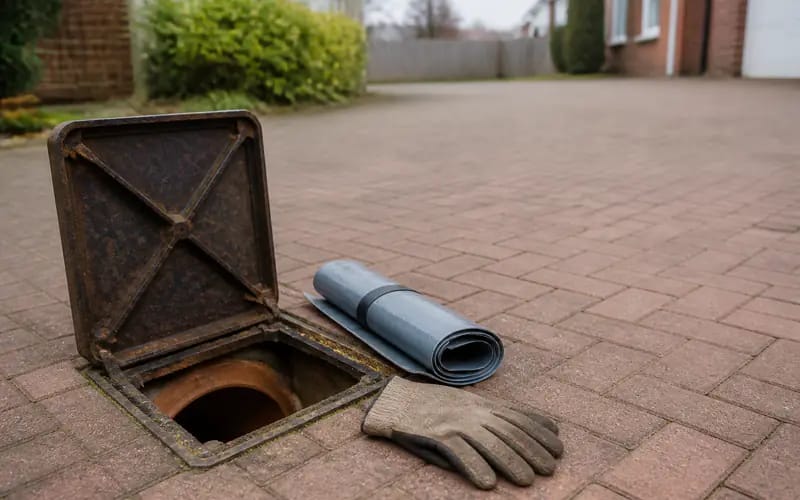
It is obvious to anyone who has to repair a drain that runs under a driveway, patio, conservatory or other slab that digging up the pipe would be disastrous. Not only would it cause massive amounts of disruption to the property but the bill to put everything back as it was would be enormous. Most drainage repairs can be carried out through the access points of the pipes such as manholes or by excavating an inspection chamber.
Manholes and underground inspection chambers can provide a variety of access points to a drain. Access to such locations is subject to HSE guidance on safe working in confined spaces, which clearly outlines the need for trained personnel, adequate ventilation and gas testing.
How Long It Takes
It is possible to get a single section of a domestic drain cleaned, lined, left to cure and inspected with a CCTV camera within a day, depending on the length and the complexity of the pipe. However, a longer section, or one containing a large number of bends, may require several days to complete, allowing for additional cleaning of the pipe prior to installation of the liner. The curing time for the resin will also vary depending on the method of curing, with for example UV cured liners setting within the hour, whilst ambient cure resins may take several hours to set.
Lifespan And What Guarantees Cover
The length of time that a liner lasts can vary greatly depending on the type of resin that has been used to make the liner and the thickness of the liner. Typically a well-installed drain liner can last for 10 to 50 years or more, depending on usage. Any guarantee for a lining would be for the materials and workmanship of the liner itself, and does not cover any pre-existing problems in the remainder of the pipe run. It’s also worth checking if the guarantee is from the manufacturer themselves or the contractor. It’s easy for a contractor to go out of business and you are left with nothing.
Questions Worth Asking First
Always request a contractor to show you the CCTV footage of the problem before committing to a lining solution. Ask the contractor what type of liner and thickness they are going to use, and check this against the diameter of the pipe and the extent of damage. Remember a thin liner on a badly corroded cast iron pipe is unlikely to last. Also check that the contractor is registered on an approved register such as WaterSafe and find an approved plumbing contractor through their website. If you are a leaseholder or share a drain with neighbours, it is also worth checking out the GOV.UK website for private drains and sewers and who is responsible for maintenance and repair.
This won’t be the case for all damaged pipes, but for those that it is suitable for, pipe lining is by far the best way to have a damaged pipe repaired quickly with minimal disruption.
