
Most gym bags fail at the worst possible moment: a strap rips on the walk to the car, a zipper jams with wet clothes trapped inside, or the bag sags so badly it feels like carrying a duffel full of bowling balls. A good gym bag is not about logos or luxury for its own sake. It comes down to a handful of structural decisions — fabric, zippers, ventilation, carry system, and compartment logic — that determine whether the bag lasts two months or ten years. If you have been comparing options and wondering which features actually matter, a closer look at the Luxury Pro Bags guide shows how real-world gym carry needs break down before you commit to a purchase.
Quick Answer
Focus on five things: a durable, abrasion-resistant fabric (600D–1000D polyester, ballistic nylon, or coated canvas), metal or heavy-duty resin zippers rather than thin plastic, at least one ventilated compartment for shoes or damp gear, padded and reinforced straps and handles, and a size that matches your actual carry volume — typically 30–45 liters for most gym-goers. Everything else is preference.
Key Takeaways
- Fabric denier and weave matter far more than brand names — 600D+ polyester or ballistic nylon resists daily abrasion.
- Zippers are the number-one failure point; look for YKK or equivalent metal/coil zippers with reinforced stitching.
- Ventilation is non-negotiable if you carry shoes, towels, or wet clothes — sealed bags trap odor and moisture.
- Carry comfort depends on strap padding, handle reinforcement, and how the bag distributes weight when full.
- Match bag size and compartment layout to your routine; oversized bags get heavy, undersized bags force compromises.
Fabric and Build Quality: The Foundation of a Durable Gym Bag
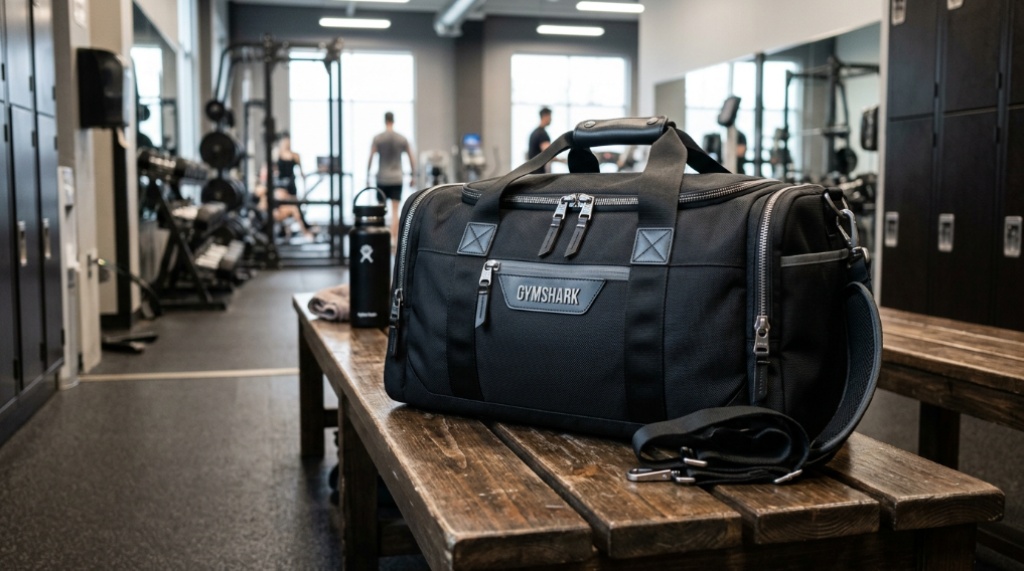
The single most reliable indicator of how long a gym bag will last is the fabric. Denier (the “D” number) measures thread thickness. A 600D polyester weave is the practical minimum for a bag used four or more times per week. Bags rated 1000D or made from ballistic nylon resist scuffs and abrasion noticeably better, which matters if you toss the bag onto gym floors, locker room benches, or the trunk of a car.
Coated canvas is another solid choice, particularly for its water resistance and structured shape, though it can be heavier than synthetic alternatives. Lightweight nylon (210D or below) is common in cheap bags and tends to develop pinholes and tears within months of regular use.
What to Check on Stitching and Seams
Look at the seam where the strap meets the bag body. Bar-tacked stitching — dense, reinforced stitching at stress points — is a hallmark of bags built to survive. Single-stitched seams at handle attachment points are the most common reason bags fail early. If you can inspect in person, tug gently at the strap junction; it should feel locked in, not soft or loose.
Water Resistance vs. Waterproofing
Most quality gym bags are water-resistant (they repel splashes and light rain) but not fully waterproof. For everyday gym use, water-resistant coated fabric is usually sufficient. If you commute on a bike or walk in heavy rain, look for taped seams or a roll-top design, which offer meaningfully better protection.
Zippers, Hardware, and the Parts That Fail First
Zippers fail more often than fabric. Thin plastic zippers buckle, skip teeth, and jam — especially when the bag is packed tightly. A quality gym bag uses metal zippers or heavy-duty coil zippers, often from YKK or an equivalent manufacturer. These glide smoothly under load and hold their shape over thousands of cycles.
Beyond the zipper itself, check the pulls. Cheap pulls snap off or bend; sturdy pulls survive being yanked with one hand while you’re holding a water bottle in the other. Zipper garages (fabric flaps that cover the zipper) add protection from dust and rain but can slow access — a trade-off worth considering if you open the bag frequently.
Buckles, D-rings, and Clips
Plastic hardware is fine if it’s thick and made from acetal or similar durable polymer. Thin, brittle plastic buckles on shoulder straps are a common weak point. Metal D-rings and clasps are heavier but far more reliable, particularly on bags that carry significant weight. If the bag has a detachable shoulder strap, check that the clips lock securely and don’t wobble.
Ventilation and Odor Control: The Feature Most People Underestimate
Wet towels, damp gym clothes, and worn shoes create a humid microclimate inside a sealed bag. Without airflow, that environment breeds bacteria and mildew within days. A ventilated compartment — usually a side pocket with mesh panels or grommet-style vents — lets moisture escape and keeps the rest of your gear dry and odor-free.
This matters more than most buyers realize. Many people buy a stylish bag, use it twice, and then leave it in the car because it smells. A separate vented shoe compartment, even a simple mesh pocket, is often the difference between a bag you use daily and one you avoid.
Where Ventilation Should Be Located
The best position for a vented compartment is on the exterior of the bag, away from your clean clothes and electronics. Side-mounted shoe pockets with mesh or perforated panels work well. Avoid bags where the “shoe compartment” is just a zippered section inside the main cavity — it doesn’t solve the airflow problem.
Easy-Clean Linings
Look for a wipeable lining, often a coated or laminated material. Cotton or uncoated nylon linings absorb sweat and odor over time and are difficult to clean thoroughly. A quick wipe-down with a damp cloth should be enough to keep a quality bag hygienic.
Carry Comfort: Straps, Handles, and Weight Distribution
How a bag carries when full determines whether you actually enjoy using it. A lightly packed 40-liter bag can weigh 15 pounds or more once you add shoes, a water bottle, a towel, and gym clothes. That weight concentrated on a thin, unpadded strap cuts into your shoulder and becomes uncomfortable within a few blocks.
Padded shoulder straps with breathable mesh reduce pressure points. A reinforced top handle with a padded grip is essential for quick grabs from a locker or car trunk. Some bags include a sternum strap or waist belt for longer carries — useful for commuters and cyclists, less important for short drives to the gym.
Backpack vs. Duffel vs. Convertible
Backpack-style gym bags distribute weight across both shoulders and are easier to carry over distance. Duffels are quicker to pack and easier to access from a locker. Convertible bags offer both carry modes but often compromise slightly on each. Your commute and gym layout should drive this choice more than aesthetics.
Handle Reinforcement
The top handle takes repeated stress every time you pick up a loaded bag. Look for handles that are stitched through multiple layers of fabric or attached with rivets. A handle that’s only sewn to the exterior shell will eventually pull away.
Size and Compartment Layout: Matching the Bag to Your Routine
Bag volume is measured in liters, and the right size depends on what you carry daily. Here’s a practical guide:
| Bag Size | Typical Capacity | Best For |
|---|---|---|
| Small | 20–30 L | Essentials only: shoes, one outfit, towel, water bottle |
| Medium | 30–45 L | Most gym-goers; room for clothing, shoes, toiletries, and a laptop |
| Large | 45–60+ L | Overnight trips, multiple sports, or heavy equipment carry |
Bigger is not better. An oversized bag encourages overpacking, gets heavier, and takes up more space in a locker. If you carry a laptop to the gym, look for a dedicated padded sleeve rather than tossing it in with damp gear, While taking your fitness gear on the go requires a durable bag, upgrading your workout space with the perfect equipment for a home gym will help you stay consistent with your training goals all year round.
Compartment Logic: What to Look For
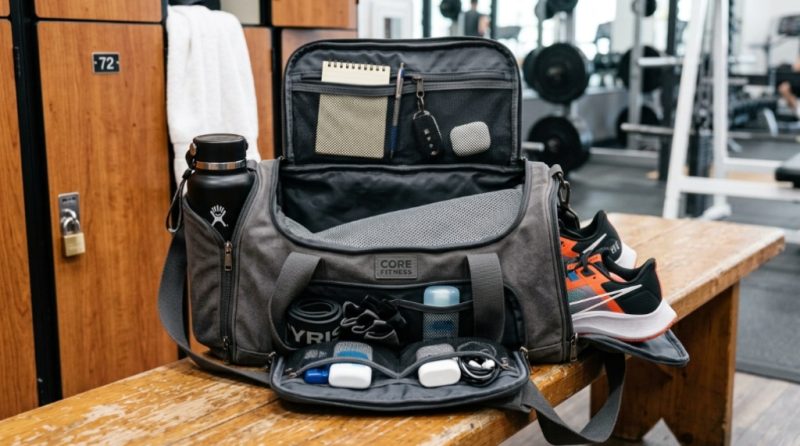
A well-designed gym bag has distinct zones: a main compartment for clothes and towels, a separate shoe pocket with ventilation, a small accessories pocket for keys, phone, and wallet, and ideally a water bottle holder on the exterior. Pockets that overlap or collapse into each other defeat the purpose. When evaluating a bag, mentally walk through your routine — where does your phone go? Your keys? Your wet towel? — and check whether the layout actually supports it.
When the Bag Needs to Do Double Duty
If your gym bag also serves as a work bag or carry-on, prioritize a clean exterior, a laptop sleeve, and a shape that doesn’t look out of place outside the gym. Bags with too many external straps and mesh pockets look sporty but can feel out of place in an office. Consider whether a dedicated gym bag plus a separate work bag might actually serve you better than one compromised hybrid.
Common Mistakes to Avoid When Buying a Gym Bag
- Choosing style over structure: A trendy bag with thin fabric and weak zippers will fail long before a plain but well-built one.
- Ignoring the shoe compartment: Mixing dirty shoes with clean clothes is a daily annoyance that a $10 difference in price can solve.
- Overbuying on size: A 60-liter bag for a 45-minute workout is unnecessary and gets heavy fast.
- Skipping the handle test: If the top handle feels flimsy in the store, it will fail under load.
- Assuming water resistance means waterproof: Most bags handle splashes, not submersion or sustained rain.
- Buying without checking warranty: A meaningful warranty (often 1–5 years on quality bags) signals the manufacturer’s confidence in materials and construction.
Frequently Asked Questions
What fabric is best for a gym bag?
600D–1000D polyester or ballistic nylon offers the best balance of durability, water resistance, and weight for most gym-goers. Coated canvas is a solid alternative if you prefer a structured, more traditional look.
How many liters should a gym bag be?
Most people are well served by a 30–45 liter bag. That size fits shoes, a change of clothes, a towel, toiletries, and often a laptop. Choose 20–30 liters for minimal carry and 45+ liters only if you need overnight or multi-sport capacity.
Are ventilated shoe compartments really necessary?
Yes, if you carry shoes or wet gear regularly. Without ventilation, moisture and odor build up inside the bag and can transfer to clean clothes. A vented side pocket or mesh compartment solves this cheaply.
Do expensive gym bags last longer?
Price correlates with durability mainly through better materials and hardware — heavier fabric, quality zippers, reinforced stitching. A mid-priced bag with these features often outlasts a more expensive bag that prioritizes branding over construction.
Should I get a duffel or a backpack gym bag?
Duffels are easier to pack and access, especially in a locker room. Backpacks distribute weight better over distance, making them ideal for commuters or cyclists. Convertible bags offer both modes with minor compromises.
How do I clean a gym bag?
Empty all compartments, wipe the interior lining with a damp cloth and mild soap, air-dry thoroughly with the bag open, and spot-clean the exterior. Avoid machine washing unless the manufacturer explicitly allows it, as it can damage coatings and hardware.
Conclusion
A quality gym bag comes down to durable fabric, reliable zippers, real ventilation, comfortable carry, and a size that matches your actual routine. Prioritize structure over style, and don’t overlook details like reinforced handles and wipeable linings — those are what keep a bag usable after months of daily wear. If you’re deciding right now, start with a 30–45 liter bag in 600D+ fabric with at least one vented compartment and metal or heavy-duty coil zippers. That combination covers the vast majority of gym-goers without overspending on features you won’t use.
