
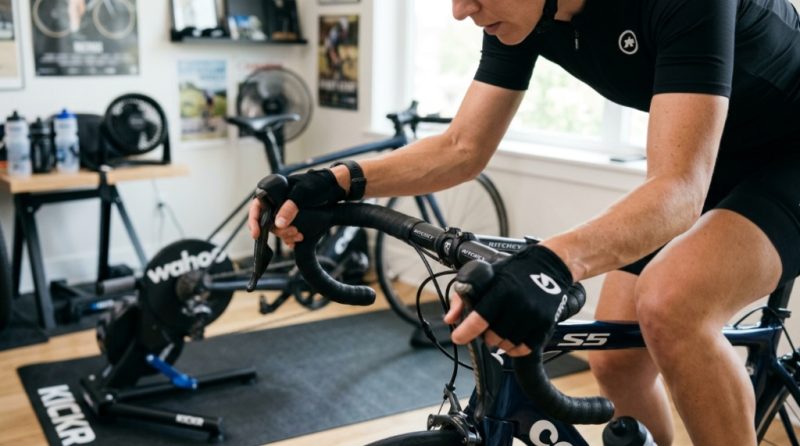
Half an hour into a ride, your hands start to tingle. By the time you get home, your palms ache and your wrists feel stiff. If that cycle of numbness, pressure, and soreness sounds familiar, the fix usually involves more than one adjustment — and gear is part of it. Padded protection such as comfortable cycling gloves with silicone palm padding can absorb road buzz that travels straight into your hands, but gloves alone won’t solve a bike that’s set up to put too much weight on your wrists. The real solution combines position, technique, and the right contact points
Quick Answer
Reduce hand and wrist discomfort by shifting weight off your hands, not just cushioning them. Raise your handlebars slightly, check that your saddle isn’t tilted nose-down, keep elbows bent, and change hand positions every few minutes. Padded gloves and thicker bar tape absorb vibration and pressure, but they work best as a complement to proper bike fit rather than a replacement for it. If numbness persists or you lose grip strength, see a medical professional.
Key Takeaways
- Most hand discomfort comes from too much body weight resting on the palms, so bike fit changes usually help more than extra padding.
- Grip pressure matters: squeezing the bars tightly transmits more road vibration into your wrists. Relax your hands and let your core support your torso.
- Gloves with silicone palm padding and thick bar tape reduce pressure and vibration but can’t fix a riding position that overloads your hands.
- Ulnar nerve compression (tingling in the pinky and ring fingers) and median nerve compression (numbness in the thumb and index fingers) are common cycling complaints that signal a fit or technique problem.
- Red flags such as persistent numbness, weakness, or pain that continues off the bike deserve medical attention rather than more gear.
Why Your Hands and Wrists Hurt in the First Place
Your hands were designed to grip, push, and manipulate — not to prop up a large share of your body weight for an hour at a time. On a bike, several forces converge on the palm and wrist:
- Direct pressure from leaning forward onto the handlebars
- Vibration from road texture, chip seal, and gravel transferring through the frame and bars
- Grip force from holding the bars tightly, especially on descents or in traffic
- Wrist angle — a bent wrist compresses the nerves and tendons that pass through the carpal tunnel
When any of these becomes excessive, the result is tingling, numbness, aching, or a burning sensation in the palm. The two most common patterns are ulnar nerve compression (numbness in the pinky and ring fingers) and median nerve compression, which produces tingling in the thumb and index fingers. Both are usually mechanical problems, which means they respond to mechanical fixes, When you aren’t out on the bike, ensuring your office operations run smoothly and securely is just as important as physical ergonomics—learn more about how Office Paper Shredders Protect Sensitive Business Documents.
Fix Your Position Before You Buy Anything
Hand discomfort is usually a fit issue first and a gear issue second. Before spending money, work through these adjustments:
- Check saddle tilt. A nose-down saddle slides your body forward, forcing your arms to catch your weight. A level saddle keeps your hips in place and your hands lighter on the bars.
- Raise or shorten your reach. If your bars are too low or too far away, your torso has nowhere to rest except your palms. Raising the stem or switching to a shorter one shifts weight back to your sit bones.
- Engage your core. A rider who supports their torso with their abdominal and back muscles can keep their hands relaxed on the bars. This takes practice, but it’s more effective than any padding.
- Keep a slight elbow bend. Locked-out arms turn every road bump into a direct impact on your wrists.
- Check bar width and hood position. Bars that are too wide spread your shoulders awkwardly; hoods angled too far down force your wrists into extension.
- Consider a suspension or carbon element. For riders on rough roads or gravel, a carbon fork, wider tires at lower pressure, or a suspension stem can filter out vibration that no glove can absorb.
A friend on a stubbornly stiff aluminum road bike once cut palm numbness in half simply by switching from 23 mm tires at high pressure to 28 mm tires at lower pressure — no new gear required. The lesson: reduce the source of vibration before you try to buffer it.
What Padded Gloves Actually Do (and Don’t Do)
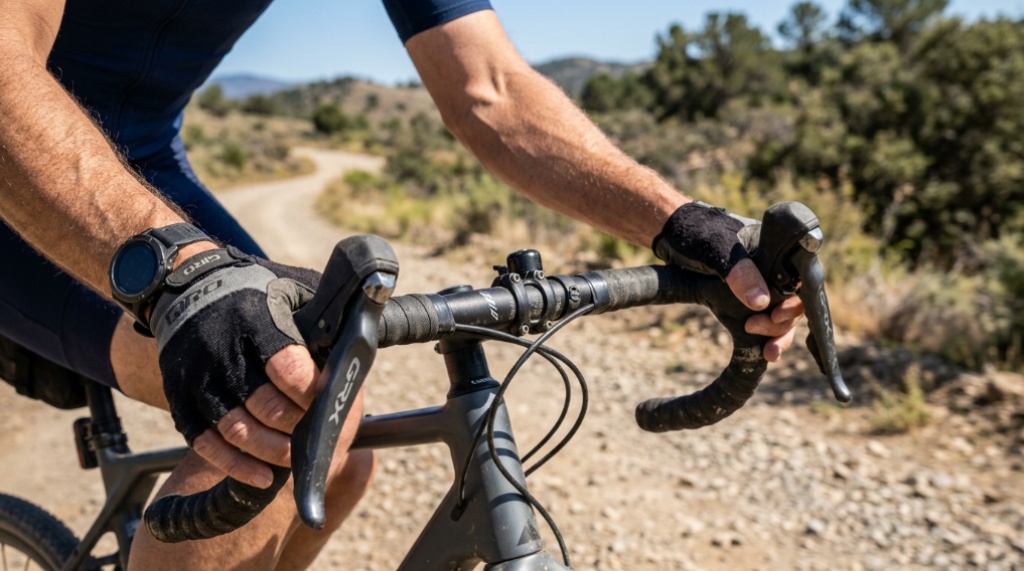
Gloves with palm padding serve two distinct purposes: they cushion the contact points between your palm and the bar, and they add grip so you can hold the bars with less force. Silicone palm padding adds a tacky surface that reduces the squeeze needed to stay in control, which in turn lowers grip-related fatigue. Padding also absorbs some high-frequency vibration that would otherwise travel straight into your hands.
What gloves can’t do is compensate for a position that puts too much weight on your hands. If your saddle is tilted wrong or your bars are too low, even the best padding will compress over an hour of riding. Think of gloves as a second layer of protection, not the first line of defense.
What to look for in padded gloves
- Padding thickness appropriate to your rides. Light padding suits smooth roads and shorter rides; thicker, multi-density padding helps on rough surfaces and long days.
- Silicone palm grips. These are what let you relax your hands on the bars.
- A snug but not tight fit. Loose gloves bunch and create pressure points; overly tight gloves restrict circulation.
- Breathable back panels. Sweaty hands slip, which makes you grip harder.
- Correct sizing at the base of the fingers. Check that the padding sits on your palm, not on your fingers, where it can pinch nerves.
A quick comparison of common fixes
| Fix | Best for | Limitation |
|---|---|---|
| Saddle tilt and stem adjustment | Riders leaning too far forward onto the bars | Requires tools and a little trial and error |
| Padded gloves with silicone palms | Vibration and grip fatigue on most rides | Won’t fix an overloaded position |
| Thicker bar tape or gel pads | Road buzz on rough surfaces | Adds bulk and needs periodic replacement |
| Wider tires at lower pressure | Gravel, chip seal, and broken pavement | Frame clearance limits tire width |
| Bar ends or aero bars | Long rides where you need more hand positions | Not always practical in traffic |
Change Hand Positions Often
Static pressure is worse than intermittent pressure. On drop bars, you have at least four usable positions — hoods, drops, tops, and ramps. Moving between them every few minutes changes which part of your palm bears the load and gives compressed tissue time to recover.
On flat bars, bar ends or inner grips add a second position. If you do long-distance riding, aero bars or a more upright touring setup can dramatically reduce hand strain because they let you rest your forearms rather than your palms.
One practical habit: whenever you notice your hands going numb, change position before the numbness gets worse. The earlier you shift, the faster the sensation returns.
Technique Adjustments That Protect Your Wrists
Small changes in how you hold the bars make a real difference over a long ride:
- Flatten your wrist. A neutral wrist (straight line from forearm to hand) keeps the carpal tunnel open and reduces nerve compression.
- Loosen your grip. Imagine holding a small bird — firm enough to control the bike, light enough to keep circulation flowing.
- Avoid resting your weight on the heel of your palm for long stretches. Vary the pressure point between the base of the fingers and the outer palm.
- Relax your shoulders. Tension travels down the arm and ends up in your hands.
- Stand periodically. Getting out of the saddle for a few seconds unloads your hands completely and resets your position.
When to Look Beyond Gear
Some discomfort resolves with fit changes and padding. Other symptoms need professional attention:
- Numbness that lingers after you finish riding
- Weakness in your grip or dropping objects
- Pain that wakes you at night
- Swelling, redness, or loss of sensation in the fingers
These can point to nerve compression or other conditions that cycling gear won’t fix. If symptoms are persistent, consult a physician rather than experimenting with more padding.
Frequently Asked Questions
Can gloves alone stop my hands from going numb?
Not usually on their own. Gloves reduce pressure and vibration at the contact points, but if your riding position puts too much weight on your palms, numbness will return. Fit changes and frequent position changes matter more.
How often should I replace padded cycling gloves?
Replace them when the padding flattens or loses its cushioning, or when the palm material wears through. Most riders notice this within a season or two of regular riding, depending on use.
Is it better to ride with no gloves at all?
Bare hands can be fine for very short, gentle rides, but gloves improve grip, protect against road rash in a fall, and reduce vibration. For anything beyond a short commute, padded gloves are usually the more comfortable choice.
Why do my fingers tingle but my palms feel fine?
Tingling in specific fingers points to nerve compression. Numbness in the pinky and ring fingers often relates to the ulnar nerve at the wrist, while thumb and index finger symptoms can involve the median nerve. Check your wrist angle and grip pressure first, then consider a bike fit.
Does bar tape thickness matter for hand comfort?
Yes. Thicker tape and gel inserts absorb more vibration and spread pressure over a wider area, which helps on rough roads. The trade-off is added bulk and a slightly different bar feel.
Can a bike fit really eliminate hand pain?
Often, yes, when the cause is positional — too much reach, a tilted saddle, or bars set too low. Fit changes frequently reduce hand pressure more than any single piece of gear, though many riders combine both for the best result.
Conclusion
Hand and wrist discomfort on the bike is usually a weight-distribution problem, not a toughness problem. Start with your position — saddle tilt, reach, and bar height — then add support where it counts: padded gloves, thicker tape, and wider tires at lower pressure. Change hand positions often, keep your elbows bent, and grip the bars lightly. If you’ve addressed all of that and symptoms persist, treat it as a medical question rather than a gear question.
