
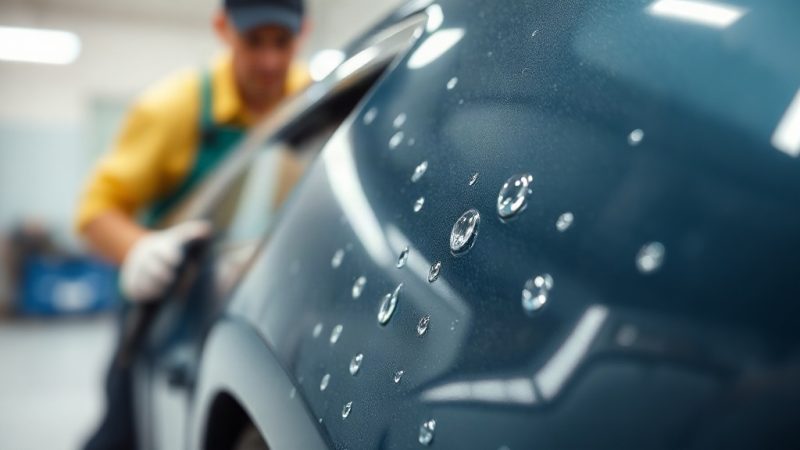
A mobile detailing customer complains about water spots after wash complaint arrives more often than almost any other issue, and the call usually arrives the morning after a job. The car looked perfect at handoff. By sunrise, white rings have bloomed across the hood and glass. If you run a mobile detailing business, that complaint can cost you a review, a redo, or a loyal client.
Quick answer: Water spots appear when droplets dry on the paint before they are wiped or blown away. Minerals and dissolved solids stay behind as rings, and sunlight bakes them onto the clear coat. Prevent them by working in shade, drying panel by panel, and wiping any stray droplet immediately. If spots already exist, remove them with a dedicated water-spot remover before they etch.
This guide explains what causes the complaint, why it damages your business, and the routines that stop it. You will also get a checklist of mistakes to avoid and straight answers to the questions customers actually ask.
What is mobile detailing customer complains about water spots after wash?
The complaint describes a specific failure. A customer pays for a mobile wash, parks the car, and later finds chalky white rings or cloudy patches on paint, glass, or trim. The spots were not there before the service, so the customer blames the detailer.
Water spots are dried mineral residue. When water evaporates from a droplet, anything dissolved in it stays on the surface. On a freshly washed car, that residue usually contains calcium, magnesium, and silica from the water supply. It can also hold soap film the rinse failed to clear.
Spot severity falls into three rough bands. Knowing them helps you diagnose a complaint accurately.
Comparison: Spot severity and removal difficulty
| Severity | Appearance | Typical cause | Removal method |
|---|---|---|---|
| Fresh | White rings, wipes away easily | Droplets dried minutes ago | Quick-detail spray and microfiber towel |
| Settled | Visible rings, resists a normal wipe | Spots sat for hours in sun | Dedicated water-spot remover, light hand polish |
| Etched | Cloudy haze or a faint outline | Acidic minerals bonded to clear coat | Machine polish, sometimes wet sanding |
Each band asks a different question of the detailer. Fresh spots point to drying technique. Settled spots point to timing and sun exposure. Etched spots often trace back to hard water and repeated wash cycles.
Mobile work adds its own pressures. You rarely control the water source, the shade, or the wind. A driveway with full afternoon sun dries a panel in under a minute. A windy day throws mist from a neighbor’s hose onto your just-finished work. Both create spots you never touched.
The complaint is not really about the wash. It is about what remains after the water leaves.
Time of day shapes the risk more than most detailers expect. A mid-morning job in spring may finish under cloud cover, yet the customer parks the same car in direct afternoon sun, where trapped droplets under a mirror housing finally slide free and bake. Complaints that mention "the next day" often trace to that delayed release rather than the rinse itself.
Windborne contamination deserves a mention too. Construction dust, lawn clippings, and pollen settle on wet panels and leave speckled residue that mimics mineral spotting. Knowing which contaminant landed on the paint changes both the diagnosis and the removal product you reach for.
Two detailers can use identical products and get different results. The difference is usually how fast the surface was dried and how much sun it saw.
Why mobile detailing customer complains about water spots after wash matters
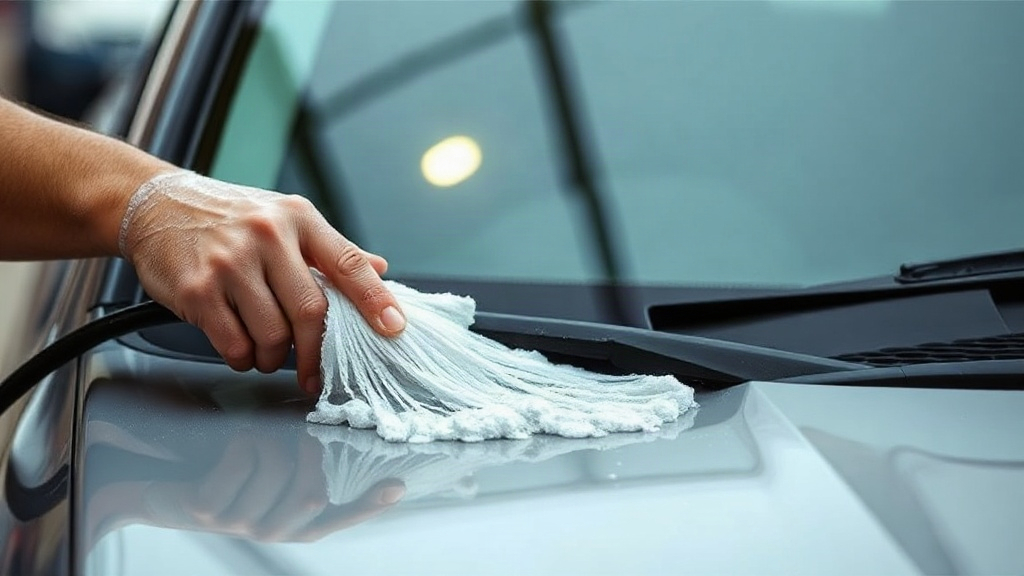
A single spotting complaint can outlast the job that caused it. Detailing is a trust purchase. Customers cannot inspect your process, so they judge the result. A car covered in rings reads to them as sloppy work, even when every other step was perfect.
The business costs stack up quickly:
- Refunds and redos. Removing etched spots may need a machine polish, which can cost more time than the original wash.
- Review damage. One public complaint about spots can steer future local customers toward a competitor.
- Lost repeat revenue. Detailing thrives on maintenance plans. A disappointed client rarely rebooks.
- Referral loss. Most mobile detailers depend on word of mouth, and a bad story travels fast.
There is also a technical cost. Water spots left on clear coat can etch permanently once sun and heat bond the minerals to the paint. A spot that begins as a cosmetic annoyance can become a paint correction job, turning a wash-and-vacuum ticket into a paint correction quote your customer never agreed to pay.
Water quality drives much of the risk. Hard water carries more dissolved minerals, so it leaves more residue per droplet. Detailers who work with a customer’s outdoor tap inherit whatever that tap delivers. A simple total dissolved solids meter gives you a number instead of a guess.
Spots are also a fairness issue. Your customer may blame your soap, your towels, or your technique. Some spots actually come from sprinkler overspray or rain after you leave. You still own the conversation, because the service is the last thing the customer remembers.
A quick photo set of paint, glass, and trim protects both sides. If spots appear later from rain or sprinklers, the record makes the conversation factual instead of personal.
Treat spotting as a business metric, not a rare accident. Every repeat complaint signals a step in your routine that needs tightening.
Best practices
Strong routines prevent most spotting before it becomes a phone call. Build these habits into every mobile job.
Start with water. Test the customer’s tap with a TDS meter or a test strip. If readings run high, use a filtered or deionized rinse. A final rinse with deionized water leaves almost nothing behind when it dries, which removes most of the risk in one step.
Work with the sun, not against it. Park in shade when possible. On bright days, wash and dry one section at a time: roof, then hood, then each side. Never soap the whole car and then rinse, because the first panels will dry before you reach them.
Dry with forced air first. A blower pushes water out of mirror housings, panel gaps, and badges. Follow with a microfiber drying towel and a quick-detail spray as a drying aid. The spray adds lubrication and helps absorb the last film.
Watch the edges. Water hides under trim, in door jambs, and around window seals. It creeps out minutes after you finish. A quick pass with a blower at the end catches these drips before they settle.
Setup choices that reduce spotting risk:
- Use two-bucket method with grit guards to keep rinse water cleaner.
- Keep a dry microfiber in hand for stray droplets during the entire job.
- Dry glass with a separate towel, since glass shows spots first.
- Work top-down and keep the hose moving during the final rinse.
Schedule around the weather. Windy days carry mist from trees, sprinklers, and dusty air. If conditions look poor, explain the risk to the customer and offer to reschedule. A short delay costs less than a redo.
Finish with an inspection pass. Walk the car with the customer in daylight and point out the paint condition. This sets expectations before rain or sprinklers have a chance to interfere.
Keep a simple job log for each customer: water reading, weather, shade conditions, and dry time. When a complaint arrives weeks later, that record tells you whether your process or the environment caused the spots. Over a season, the log reveals patterns, such as certain neighborhoods with harder water or routes where afternoon sun always wins.
Common mistakes to avoid
Many spotting complaints trace back to a few repeat errors. Each one is easy to fix once you name it.
Letting the car air-dry is the biggest culprit. A detailer who finishes a rinse and lets the sun do the rest is inviting rings. Always dry, and dry fast.
Washing in direct sun with hot panels is the second. Soap and water dry before the rinse reaches them. If shade is impossible, work smaller sections and rinse sooner.
Using a dirty or overloaded drying towel spreads residue instead of removing it. Rotate towels and keep a clean one for the final pass.
Skipping the water test is a quiet mistake. Detailers often blame their soap when the tap is the real source. A cheap TDS meter answers the question in seconds.
Overlooking hidden water creates post-service drips. Mirror housings, wiper arms, roof rails, and license plate frames trap water. Blow them out last.
Ignoring sprinkler schedules and overnight rain leads to disputes you cannot win by argument. Warn the customer at handoff and send a short care note after the service.
A light wipe with a spot remover usually solves fresh rings. Heavy compounding on soft clear coat can thin the paint and create a worse problem.
Failing to document the before and after condition leaves you without evidence. Photos take seconds and settle most disputes.
Rushing the handoff conversation counts as another error. Customers who do not know a spot remover exists may scrub fresh rings with a dry rag, dulling the clear coat and turning a two-minute fix into a polish job. A thirty-second walkthrough that names the risk and shows them the right towel prevents that outcome.
Finally, blaming the customer’s water outright at the first complaint backfires. Even when tap readings prove the point, lead with a fix and then share the numbers. Detailers who open with accusations lose the rebooking; those who demonstrate the TDS reading after solving the problem usually keep it.
FAQ
Can water spots appear after I leave if the wash was done correctly?
Yes. Rain, sprinklers, and overnight dew can leave spots on any car. Explain this at handoff and send brief aftercare instructions so the customer knows what to watch for.
How much should removing etched water spots cost?
Pricing varies by severity and panel count. Fresh spots usually come out with a quick wipe during a redo. Etched spots may need machine polishing, so quote that as a separate paint correction service rather than folding it into a wash.
How quickly do spots form after a wash?
On a hot, sunny panel, droplets can dry within a minute or two. On a cool, shaded car, they may sit for hours before drying. Speed matters most in direct sun.
Do water spots mean the detailer used cheap soap?
Not usually. Water quality and drying speed matter more than soap brand. Hard tap water leaves residue even with premium products, so test the water source first.
Should I offer a free redo when a customer reports spots?
Offer an inspection first, then decide. If the spots came from your process, a redo protects the relationship. If they came from rain or sprinklers, a spot remover demo often resolves the concern.
Conclusion
Water spotting is usually a timing and water-quality problem, not a product failure. Dry fast, work in shade, test the tap, and inspect the car with the customer before you leave. Those four habits prevent most of the complaints that cost detailers time and reviews. When a complaint does arrive, diagnose the spot severity, document the condition, and fix what your process actually caused. If you want fewer of these calls, start your next job by testing the customer’s water and planning the dry before the wash begins.
