
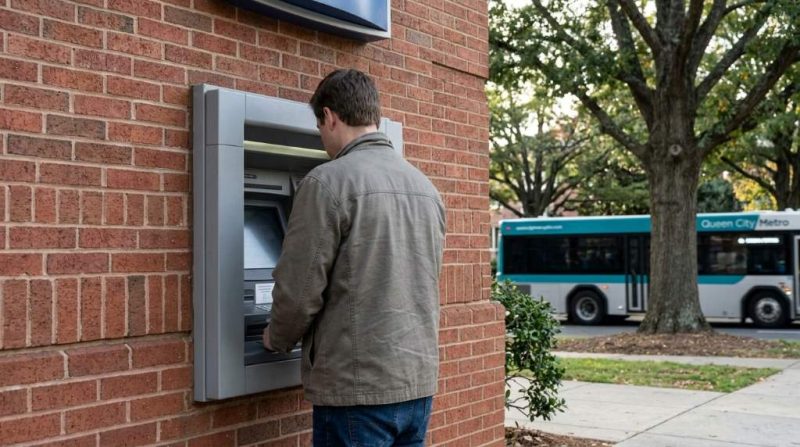
ATM cash deposits make banking easier, yet unexpected balance adjustments can confuse account holders. According to industry reports, most banking customers regularly use ATMs for everyday transactions, while digital banking continues growing every year. Therefore, understanding deposit adjustments helps prevent unnecessary stress and improves financial confidence. Learning about cash deposit discrepancy solutions also prepares customers for common banking situations before they become frustrating problems.
Understanding Why ATM Cash Deposits Change
ATM deposit changes happen when banks verify every transaction after the machine records deposited cash. Although receipts provide immediate confirmation, final processing often occurs during later verification.
Additionally, automated systems compare scanned images, counted bills, and transaction records before updating account balances. During this review, banks correct any differences between recorded and verified amounts.
Many customers also overlook simple banking practices that reduce processing problems. Reading about business financial mistakes explains why careful transaction habits support accurate financial records.
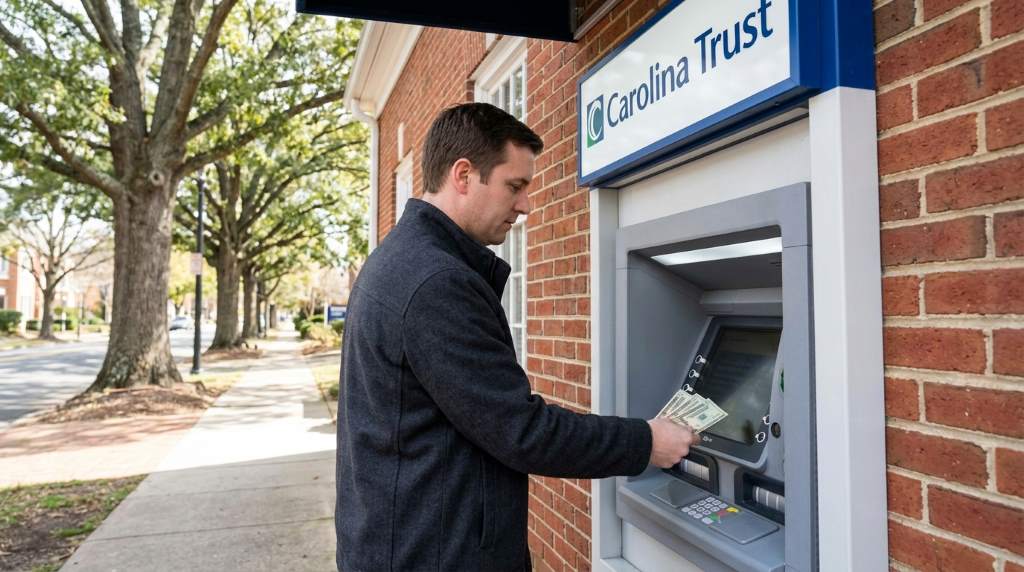
Common Reasons Behind Deposit Adjustments
Several factors can lead banks to modify an ATM cash deposit after processing. Fortunately, most adjustments result from routine verification instead of serious banking errors.
- Folded or damaged bills prevent accurate machine counting.
- Deposited notes stick together during automatic counting.
- Foreign objects accidentally enter the deposit slot.
- Machine sensors temporarily misread cash bundles.
- Manual verification corrects automated counting differences.
- Envelope deposits require additional review before completion.
Furthermore, maintenance teams regularly inspect ATM equipment and reconcile stored cash against electronic transaction records. This careful process protects both customers and financial institutions.
How Banks Verify ATM Deposits
Financial institutions follow structured verification procedures before finalizing deposited amounts. Every step improves accuracy while reducing fraud risks and operational mistakes.
Machine Processing
Modern ATMs immediately scan deposited currency using advanced sensors and imaging technology. Consequently, the system creates digital records for future verification.
Cash Reconciliation
Bank employees compare machine totals with actual cash collected from the ATM. If differences appear, investigators carefully review transaction logs and stored images.
Organizations that improve record keeping often strengthen financial accuracy through smarter operational planning. Likewise, learning profile a business encourages better documentation habits across financial activities.
Final Account Update
After verification finishes, the bank confirms the final deposit amount within customer accounts. Therefore, temporary pending balances may change before becoming permanent.
What Customers Should Do After Making a Deposit
Good banking habits reduce confusion if deposit adjustments occur later. Small actions immediately after each transaction create valuable supporting records.
- Keep every ATM receipt until processing finishes.
- Count cash carefully before making the deposit.
- Review account activity through online banking.
- Save transaction notifications on your phone.
- Record the deposit date and approximate time.
- Use well maintained bank owned ATMs whenever possible.
Moreover, taking photographs of receipts provides an extra backup if printed copies become damaged. Digital records simplify future conversations with customer support representatives.
How Long Deposit Changes Usually Take
Processing times vary depending on banking policies, deposit methods, and verification requirements. However, many transactions complete within one business day.
Some deposits require additional review after weekends, holidays, or machine maintenance activities. Consequently, customers should allow reasonable processing time before reporting concerns.
If delays continue beyond the expected timeframe, contacting customer service becomes the next logical step. Representatives can review transaction records and explain current processing status.
Warning Signs That Need Immediate Attention
Most deposit adjustments are routine, yet certain situations deserve immediate communication with the bank. Acting quickly improves the chances of resolving problems efficiently.
- The receipt shows a different deposited amount.
- Your account never reflects the transaction.
- The ATM stops working before completing the deposit.
- You receive unexpected account notifications afterward.
- Duplicate transaction records appear within online banking.
Besides reporting concerns promptly, customers should avoid making repeated deposits until the original issue receives clarification. Organized documentation strengthens every support request.
Tips to Avoid Future Deposit Issues
Preventive habits significantly reduce the possibility of future ATM deposit adjustments. Consistency often matters more than speed during financial transactions.
- Straighten bills before inserting them.
- Avoid depositing damaged currency.
- Separate paper clips and receipts from cash.
- Deposit smaller cash bundles whenever possible.
- Choose indoor ATMs with regular maintenance.
- Verify every receipt before leaving the machine.
Additionally, mobile banking alerts provide immediate confirmation whenever account activity changes. Early notifications help customers identify unexpected adjustments quickly.
Conclusion
ATM cash deposit changes usually result from standard verification processes rather than serious banking problems. Understanding these procedures helps customers remain confident during temporary balance adjustments.
By following careful deposit practices, saving transaction records, and contacting support when necessary, you can resolve most concerns smoothly. Start applying these practical tips today to protect your banking experience and reduce future deposit confusion.
Frequently Asked Questions
Why did my ATM deposit amount change?
Banks adjust deposits after verifying the actual cash counted inside the ATM.
How long does ATM deposit verification take?
Most verified deposits finish processing within one business day, although some reviews take longer.
Should I keep my ATM receipt?
Yes, receipts provide valuable evidence if questions arise during deposit verification.
Can damaged bills affect my deposit?
Yes, damaged or folded bills sometimes cause counting differences during machine processing.
What should I do if my deposit remains incorrect?
Contact your bank immediately and provide your receipt with complete transaction details.
