
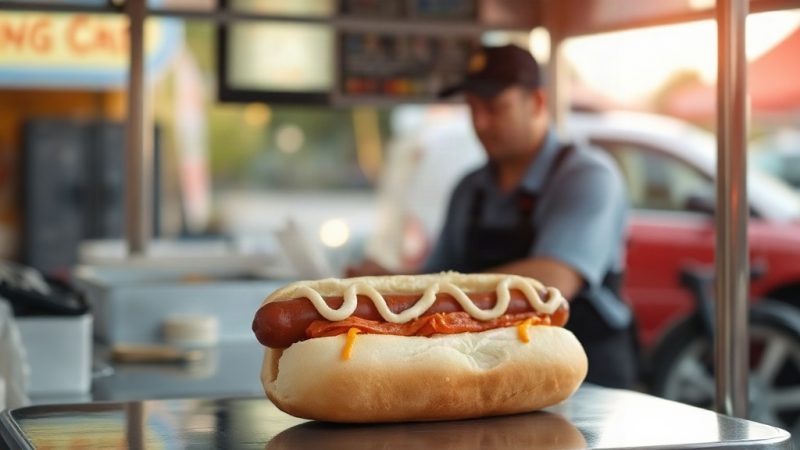
You can start a hot dog cart business for a modest outlay and be selling within weeks, which is why so many people ask how to do it properly. A cart, a permit, a supplier and a pitch can turn a simple idea into steady daily income. The catch is that rules, costs and location choices decide whether the venture succeeds. This guide walks through what the business involves and how to plan your first season, including the kind of financial growth solutions that keep a small operation healthy.
Quick answer: Check your local health department and street-vending rules first, then price a used cart, permits, insurance and your first food order. Secure a legal pitch where foot traffic passes, keep records of every sale and expense, and reinvest early profits into better equipment and a second location.
What is start a hot dog cart business?
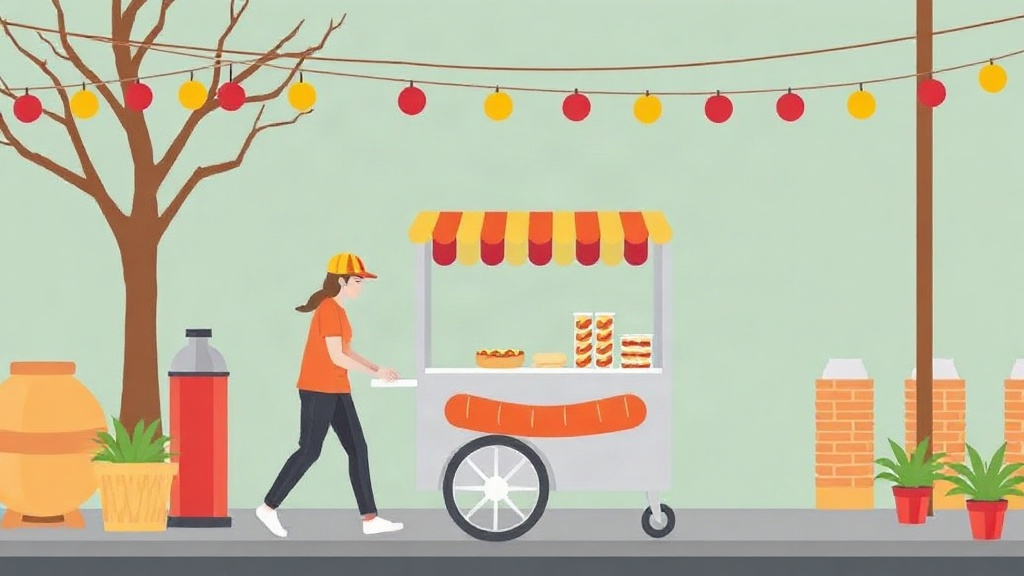
A hot dog cart business is a small, mobile food operation built around a compact cart that sells hot dogs, sausages and simple sides. It sits at the low end of food-service startup costs. You do not need a full kitchen or a lease on a building. One person can often run the cart alone during a busy lunch shift.
The model has three moving parts. First, the cart itself: a heated unit with a steamer, grill or roller section, plus storage for buns, condiments and drinks. Second, the legal side: a vendor permit, a food-handling certificate, health inspections and liability insurance. Third, the pitch: a legal spot with enough passing customers to cover your daily costs.
Most operators start part-time. They work lunches near offices, evenings near parks, or weekends at events. A typical menu stays short on purpose: two or three sausage types, a veggie option, chips, and canned drinks. A short menu keeps prep fast and waste low.
Revenue comes from volume and repeat customers, not high ticket prices. If a hot dog sells for a few dollars and your food cost is roughly a third of that, the margin per item is thin. Ten sales feel small. A hundred sales a day across a six-hour shift changes the picture.
Costs fall into two groups. Startup costs happen once: the cart, permits, insurance, signage and an initial stock order. Operating costs repeat: food, fuel or propane, ice, condiment restocking, pitch fees and cart maintenance. Knowing both groups before you buy anything prevents surprises.
A modest cart in a high-traffic legal spot will usually outsell a premium cart in a quiet one. Spend your research time on location rules and foot traffic.
Takeaway: this business is a compact, mobile food operation where permits, a good pitch and tight costs matter more than fancy equipment.
Why start a hot dog cart business matters
Few food businesses let someone test an idea with so little capital at risk. That low barrier gives people a real path into self-employment. It suits someone who wants to earn from food without signing a commercial lease.
The business also teaches core skills quickly. You learn portion costing, cash handling, hygiene routines, and customer service in a live setting. Those lessons transfer to any future food venture, from a food truck to a small café.
Flexibility is another draw. Many operators run carts seasonally or on weekends while keeping a job. The cart can move to events, festivals, or construction sites when the usual pitch slows down. That mobility hedges against a bad location.
Profitability depends on discipline. A cart with strong foot traffic and careful portion control can produce meaningful daily income. A cart with poor placement and wasteful prep can lose money every day it opens. The gap between the two is mostly planning.
Here is a simple way to see the trade-offs before you commit.
Comparison: cart business vs. food truck vs. fixed shop
| Factor | Hot dog cart | Food truck | Fixed shop |
|---|---|---|---|
| Startup cost | Lowest | Higher | Highest |
| Menu flexibility | Limited | Broad | Broad |
| Location flexibility | High | Medium (parking rules) | None |
| Staffing needed | Often one person | Usually two | Several |
| Main risk | Pitch and permits | Vehicle and permits | Rent and overhead |
Notice that the cart wins on cost and flexibility but loses on menu range. That trade-off is the heart of the model. A cart cannot compete on variety, so it competes on speed, price and location.
Small carts also benefit from steady, boring financial habits. Track daily sales, know your food cost per item, and set aside money for renewal fees and repairs. Growing a cart into a second unit or a truck becomes much easier when the numbers are documented from week one.
Takeaway: the cart’s real value is a low-risk entry into food sales, provided you respect the trade-off between low costs and a narrow menu.
Best practices
1. Confirm the rules before you spend money. Call your local health department and city licensing office. Ask which permits apply, what cart equipment they require, and where vending is legal. Rules vary widely between towns, and a cart that fails inspection is parked.
2. Buy a used cart only after an inspection. Check the heating elements, water supply, hand-washing setup, and wheels. A cheap cart with a failing steamer can cost more than a fair-priced one in good condition.
3. Cost every menu item. Work out the bun, sausage, condiment, and packaging cost per hot dog. Set prices so food cost stays around a third of the sale price. That buffer covers fuel, fees, and slow days.
4. Design a fast menu. Serve two or three signatures plus drinks and a snack. Customers at a cart expect to be served within a minute or two. Speed builds queues, and queues attract more customers.
5. Master hygiene visibly. Clean surfaces, gloves, a hand-wash station, and fresh condiments reassure customers. Health inspectors notice the same things customers do.
6. Market with almost no budget. A clear sign, a consistent spot, and a social media page for daily locations cost little. Simple, low-cost promotion ideas are covered in this guide to //bsoinvest.com/business-strategies/zero-marketing-budget-strategies/, which fits well for cart owners watching every dollar.
7. Reinvest early profit. Put the first months of profit into a better cart, a card reader, or a second pitch. That is how a single cart grows into a small route of regular locations.
Record sales, tips, weather, and stock used each day. After a month, patterns appear that tell you which shifts and spots deserve your time.
Takeaway: the best-run carts are rule-compliant, tightly costed, fast to serve, and disciplined about reinvesting profit.
Common mistakes to avoid
Skipping the permit check. Buying a cart before confirming local rules is the most expensive mistake. Some towns ban sidewalk vending outright. Others require specific equipment or a commissary kitchen. Confirm first, buy second.
Choosing a pitch on guesswork. A busy road is not the same as a busy walking route. Watch a spot at different hours for a few days before committing. Count people who walk past, not cars.
Overbuilding the menu. Every extra item means more prep, more waste, and slower service. New operators often add a dozen options and end up throwing food away. Start narrow.
Ignoring food cost creep. Condiment packets, napkins, and packaging quietly erode margin. Weigh or count portions for a week to see where money leaks.
Treating cash carelessly. Mixing personal and business money makes it impossible to know if the cart is profitable. Use a separate account and a simple ledger from the first sale.
Neglecting weather and seasonality. Rain, heat waves, and winter slow sales. A cash reserve of several weeks of operating costs protects you through quiet stretches.
A liability policy protects you if a customer becomes ill or is injured near your cart. Check what your local authority requires and what your cart’s activities actually cover.
Takeaway: most failures come from poor location research and loose money habits, both of which are avoidable with a little patience.
FAQ
How much does it cost to start a hot dog cart business?
Costs vary by region, but budget for the cart, permits, insurance, an initial food order and signage. A used cart keeps the figure lower. Get written quotes from your local licensing office before setting a budget.
Do I need a food handler certificate?
Most jurisdictions require one, and some require the cart owner to hold a permit as well. The certificate course is usually short and inexpensive. Confirm the exact requirement with your health department.
How long does it take to open?
Many operators open within a few weeks once permits are approved. The timeline depends on inspection scheduling and whether vending rules in your area are simple or strict. Start paperwork before shopping for a cart.
Can I run a hot dog cart part-time?
Yes. Weekends and lunch shifts suit many beginners. Part-time operation lowers risk while you learn the trade. It also lets you test pitches before committing to a full schedule.
Where should I put my cart?
Pick a legal spot with steady foot traffic, such as near offices, parks, transit stops or event venues. Confirm zoning and vendor rules for that exact location. Test the spot on different days before committing.
What is the biggest risk?
Slow sales at a poorly chosen pitch. A cash reserve and a backup location reduce that risk. Keeping food costs controlled protects margin when volume drops.
Conclusion
A successful hot dog cart business rests on three things: legal compliance, a well-researched pitch, and careful costing. Start with permits and rules, price every item so food cost stays near a third of the sale price, and keep clean, simple records from day one. Then test one legal spot at different hours before committing to a schedule.
Your next step is concrete: call your local health department this week and ask for the vendor requirements in writing. With that list in hand, you can price your startup honestly and decide whether to buy a used cart or wait for a better one.
